
If New Year’s Day is riddled with Anxiety for you, check in with a therapist in Wakefield to find more hope.
When January can amplify anxiety instead of inspiration
The New Year is often framed as a time of hope, motivation and fresh beginnings. There is an expectation that January should feel energizing, like a clean slate filled with possibility. For many people, this message lands easily. For others, especially those who already feel the grip of anxiety, all that energy can land as pressure rather than opportunity.
If you live with anxiety, January may feel heavier than it does inspiring. The collective emphasis on goals, optimism and momentum can quietly magnify the sense that you are falling behind or doing something wrong. You may notice confusion about why you do not feel excited, followed by self judgment for not matching the energy around you. Simply feeling different from peers can quickly set you up for harsh internal dialogue.
If you are feeling the pressure of the New Year, you are not alone. This experience is explored more deeply in my earlier blog, which looks at the emotional weight January can carry and ways to soften it with support, which you can read here.
How anxiety changes the experience of the New Year
Anxiety is not just a pattern of thoughts. It is also a physiological state. When anxiety is active, your body tends to be more alert and vigilant. You may feel on edge, watchful or tense, as though you need to be prepared for something to go wrong. This state makes it difficult to experience the sense of ease and flexibility that others may appear to enjoy at the start of the year.
An anxious mind scans for potential problems as a way of protecting you from harm. This protective instinct is well meaning, but it comes at a cost. When so much energy is devoted to anticipating what could go wrong, there is less capacity to notice what is going well or to experience moments of joy as they arise.
This shift in attention has a significant impact on how January is experienced. Activities like reflecting on the past year, setting goals or making plans can feel playful and exciting when you are calm and grounded. When anxiety is present, those same activities can feel ominous, loaded or overwhelming. Instead of curiosity, there may be dread.
It is important to understand that this response is not a personal failure. It is a protective pattern. With awareness and support, that pattern can be gently revised so that the transition into a new year feels more satisfying and less threatening.
Why people with anxiety often feel behind before the year even begins
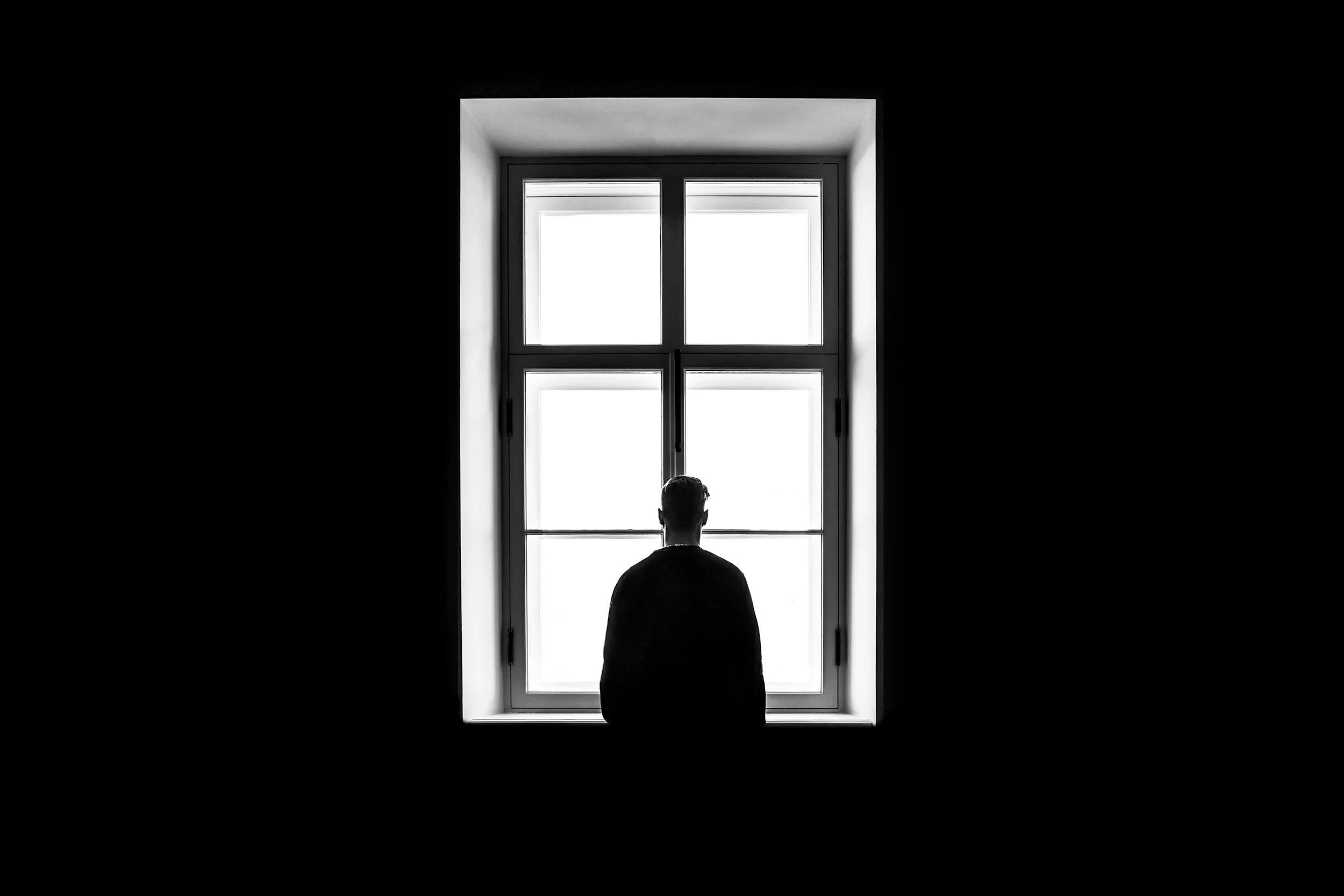
Many people with anxiety describe feeling “already late” as January starts. There can be a sense of failing before anything has even happened. This feeling is often fueled by comparison, especially when others appear confident, decisive or enthusiastic about what lies ahead.
Social conversations, social media and even casual comments can amplify this experience. Hearing others talk about plans and intentions may intensify the sense that you are out of sync. This disconnect can feel lonely and isolating.
Anxiety has a way of turning possibility into pressure. Where there could be openness, there is urgency. Where there could be choice, there is fear of choosing wrong.
With thoughtful effort and the right kind of support, that sense of dread can become a brief signal rather than a stopping point. It can be something you notice and respond to, rather than something that takes over your life.
Why forcing motivation often makes anxiety worse
There is a common belief that pushing harder will resolve anxious feelings. In reality, this approach often sets people up for disappointment. When you force motivation, you usually create more pressure, which quickly leads to self criticism and a sense of defeat.
Trying to force change can activate the body’s stress response, evoking fight, flight or freeze. These states are inherently incompatible with thoughtful goal setting, reflection or growth. When your system is focused on survival, it is not equipped to engage creatively or flexibly with the future.
This is why stability, internal security and relative calmness are essential precursors to motivation. When these are present, motivation tends to emerge more organically. This idea is explored further in my earlier blog on allowing change to unfold more gently.
How working with a therapist in Wakefield can support individuals with anxiety during the New Year

Therapy offers a space to understand anxiety without judgment. In therapy, you can explore the uniquely personal ways anxiety impacts your thinking, actions and beliefs about the world. This understanding alone can bring relief, but effective therapy does not stop at insight.
Working with a therapist in Wakefield allows you to learn how to redirect anxiety rather than battle it or try to ignore it. Over time, the dread you feel can transform into a more genuine sense of readiness. You can begin to pursue what matters most to you from a place of clarity rather than fear.
Therapy also supports a longer view. While the New Year can be a meaningful moment to seek relief, it is just one moment in time. The most impactful work unfolds throughout the year, helping you build steadiness that lasts well beyond January.
~~~~~~~~~~~~~
If January feels hard and anxiety is close to the surface, you are not alone. You are responding to perceived pressure in the way anxiety has taught you to. With the right support, those patterns can soften.
Change does not need to be rushed. You do not need to feel hopeful right away. Therapy can help you move forward at a pace that feels right for you.

Michelle Butman Collins, LICSW, is a therapist in Wakefield, MA, providing in-person therapy in Wakefield and online therapy for adults and young adults across Massachusetts, Connecticut, and Vermont. She specializes in helping clients manage overthinking, anxiety, life transitions, and sleep challenges using personalized strategies, including CBT-I. She believes therapy is a space for genuine connection and meaningful, practical change.